The library is temporarily closed and is scheduled to resume services at 09:00 AM
Sunday:
Library is closed today
Monday:
09:00 AM - 06:00 PM
Tuesday:
09:00 AM - 06:00 PM


BITS Email Login
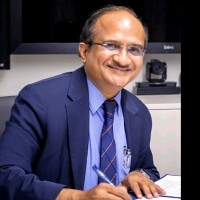
For too long, we have treated the PhD as a single, standard academic pathway. That may have suited an earlier era. It will not be enough for the future.
If India is serious about becoming a leading knowledge economy, we need to rethink the PhD itself.
We need to ask a basic question.
Should every doctoral student be trained in exactly the same way, for exactly the same outcome? I do not think so.
The Conventional PhD will certainly continue, and it remains important. We will always need scholars who go deep into a subject and expand the frontiers of knowledge. But that cannot be the only model. nWe need 𝗺𝘂𝗹𝘁𝗶𝗽𝗹𝗲 𝗣𝗵𝗗 𝗽𝗮𝘁𝗵𝘄𝗮𝘆𝘀, aligned with the needs of a changing world. At 𝗕𝗜𝗧𝗦 𝗣𝗶𝗹𝗮𝗻𝗶, we have already begun moving in this direction.
𝗣𝗵𝗗 𝗜𝗠𝗣𝗔𝗖𝗧
An industry mentored doctoral track for scholars who want to work on real world problems in close partnership with industry.
𝗣𝗵𝗗 𝗠𝘂𝗹𝘁𝗶 𝗜𝗻𝘀𝘁𝗶𝘁𝘂𝘁𝗶𝗼𝗻𝗮𝗹 𝗖𝗼 𝘁𝘂𝘁𝗲𝗹𝗹𝗲 𝗣𝗿𝗼𝗴𝗿𝗮𝗺𝗺𝗲𝘀
Joint supervision across institutions, including Indian and international universities, giving scholars wider exposure and stronger academic networks.
𝗣𝗵𝗗 𝗗𝗥𝗜𝗩𝗘
A startup oriented doctoral track designed for those who want to translate research into deep tech ventures and move ideas from the lab to the market.
𝗣𝗵𝗗 𝗶𝗻 𝗖𝗿𝗼𝘀𝘀 𝗗𝗶𝘀𝗰𝗶𝗽𝗹𝗶𝗻𝗮𝗿𝘆 𝗔𝗿𝗲𝗮𝘀
The future of innovation will not come from rigid disciplinary silos. It will come from the intersections of fields. Electrical Engineering and Chemistry. Computer Science and Biology. Materials and Medicine. Many of the most important breakthroughs of the future will happen in these spaces. At BITS Pilani, this is already happening under SIRE through CDRF projects, which support research across traditional departmental boundaries and encourage scholars to work at the intersection of disciplines.
𝗣𝗵𝗗 𝗮𝗹𝗶𝗴𝗻𝗲𝗱 𝘄𝗶𝘁𝗵 𝗡𝗮𝘁𝗶𝗼𝗻𝗮𝗹 𝗚𝗿𝗮𝗻𝗱 𝗖𝗵𝗮𝗹𝗹𝗲𝗻𝗴𝗲𝘀
Doctoral research aligned with India’s most pressing needs in areas such as energy, water, healthcare, semiconductors, sustainability, mobility, defence and AI. At the same time, we must confront an uncomfortable truth.
𝗢𝘂𝗿 𝗣𝗵𝗗 𝗽𝗿𝗼𝗴𝗿𝗮𝗺𝗺𝗲𝘀 𝗮𝗿𝗲 𝘀𝘁𝗶𝗹𝗹 𝗻𝗼𝘁 𝗮𝘁𝘁𝗿𝗮𝗰𝘁𝗶𝘃𝗲 𝗲𝗻𝗼𝘂𝗴𝗵 𝗳𝗼𝗿 𝗺𝗮𝗻𝘆 𝗼𝗳 𝗼𝘂𝗿 𝗯𝗿𝗶𝗴𝗵𝘁𝗲𝘀𝘁 𝘆𝗼𝘂𝗻𝗴 𝗽𝗲𝗼𝗽𝗹𝗲. If we want serious talent to enter research, stipends must increase significantly. The overall research ecosystem must become stronger. Career pathways must become clearer and more diverse. A PhD can no longer be seen only as a route to becoming a professor. It must also prepare people to become industry researchers, deep tech entrepreneurs, leaders in strategic sectors, and creators of new knowledge with societal relevance.
India needs more PhDs. But more importantly, India needs better designed PhD pathways.
It is time for a reset..... Prof. V. Ramgopal Rao, Group Vice-Chancellor, BITS Pilani (Linkdin post dt. 10.04.2026)

Online
 LibraBot