Library is closed today
Monday:
09:00 AM - 06:00 PM
Tuesday:
09:00 AM - 06:00 PM
Wednesday:
09:00 AM - 06:00 PM


BITS Email Login
At BITS Pilani we have recently created CRENS, the 𝗖𝗲𝗻𝘁𝗿𝗲 𝗳𝗼𝗿 𝗥𝗲𝘀𝗲𝗮𝗿𝗰𝗵 𝗘𝘅𝗰𝗲𝗹𝗹𝗲𝗻𝗰𝗲 𝗶𝗻 𝗡𝗮𝘁𝗶𝗼𝗻𝗮𝗹 𝗦𝗲𝗰𝘂𝗿𝗶𝘁𝘆.
The idea behind CRENS is simple. Universities house enormous scientific and engineering talent. If this talent is connected to real world national security challenges, it can contribute meaningfully to technologies that keep the nation safe.
CRENS has already been successful in bringing together faculty, students, defence experts, industry partners and national laboratories to work on emerging technologies relevant to national security and strategic applications.
As part of this effort, we have also brought on board several 𝗣𝗿𝗼𝗳𝗲𝘀𝘀𝗼𝗿𝘀 𝗼𝗳 𝗣𝗿𝗮𝗰𝘁𝗶𝗰𝗲 with deep experience in defence technologies. Their role is to help translate operational challenges faced by the armed forces into research problems that universities can work on.
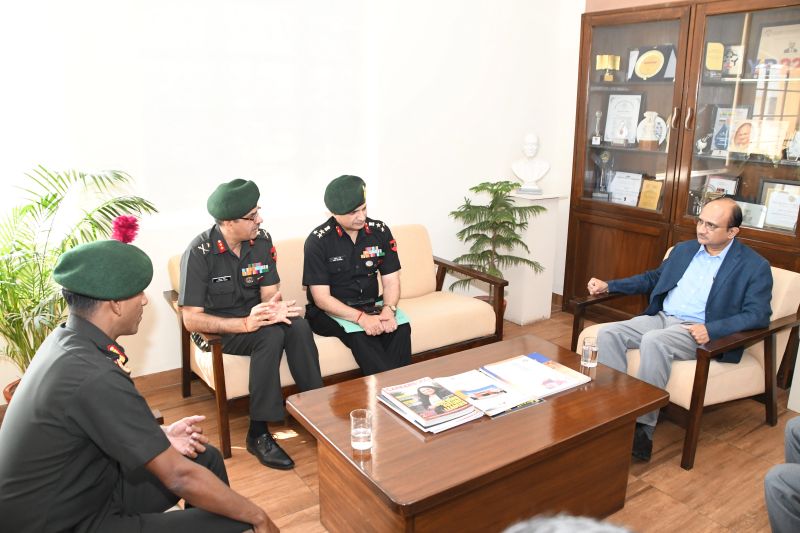
Yesterday we had the privilege of hosting senior officials from Research and Development Organisation and the 𝗮𝗿𝗺𝗲𝗱 𝗳𝗼𝗿𝗰𝗲𝘀 at our Pilani campus.
We spent the day discussing the range of research activities taking place across our campuses and exploring how these capabilities can be connected to real world defence challenges that will help keep the nation safe.
BITS Pilani has also been offering academic programmes for service personnel, and initiatives such as CRENS further deepen that engagement.
During my time at IIT Delhi, we had created a Joint Advanced Technology Research Centre (JATC) with help from DRDO. Over time JATC has evolved into one of the country’s most productive academic ecosystem working on technologies for the defence forces.
Our aspiration is to build a similar ecosystem across the BITS Pilani campuses. If universities align their research strengths with national priorities while preserving curiosity driven science, they can become powerful engines of technological sovereignty.
This is only the beginning of that journey.

Online
 LibraBot